

The Importance of a Wine Fridge
If you're a collector or just enjoy a glass with your friends, wine fridges can be a cost-effective solution that helps nurture your collection over time.
Unlike traditional compressor-based refrigeration systems, thermoelectric wine refrigerators are based on the Peltier effect, where electricity is pumped through two distinct junctions, creating an effect of cooling.
Controlling Temperature
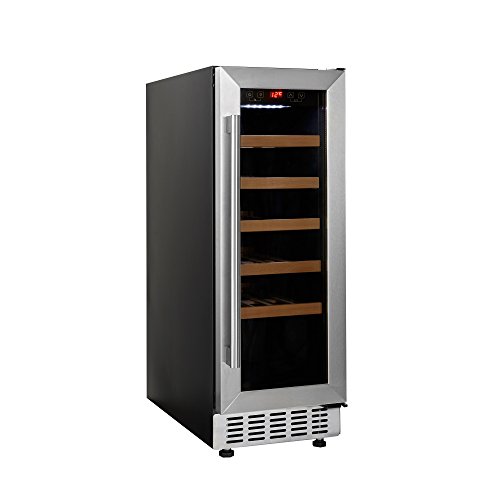
To ensure the high quality of fine wines It is crucial to maintain ideal temperatures. Contrary to standard refrigerators that keep temperatures within an expansive range wine refrigerators are specifically designed to accommodate the nuanced needs of various types by keeping temperatures within an encapsulated range. This allows an ideal maturation of a wine, turning it from a regular bottle into something special with time.
The ability of wine fridges to create the perfect temperature for wine is due to the precise interplay of many important features and technologies. The internal cooling system is the most crucial feature. The system is comprised of a thermoelectric Peltier module that is extremely efficient as well as a heat sink. The side of the Peltier module that absorbs heat decreases the internal temperature, whereas the other side releases the heat absorbed and creates a cooler environment for wine.
Wine fridges are equipped with a humidity control system that is precise. This feature is crucial, as it prevents cork degradation. Wine fridges generally maintain a relative humidity between 50 and 80%, achieving the right balance to prevent dry corks from bursting and allowing air in and causing spoilage.
Another factor that helps to ensure constant temperature control is the wine fridge's internal ventilation system. The refrigerators have an efficient fan that circulates the air throughout the cabinet, removing pockets that are warm or humid. This ensures that every bottle gets the same amount of cool air, no matter where it is situated in the fridge.
The cooling system is designed to prevent vibrations, which could disrupt the uniform distribution of temperature and lead to fluctuations. To keep vibrations to an absolute minimum, it's recommended to limit the number of times you open and close the refrigerator's door. Also, ensure that the bottles you put in your refrigerator don't block the vents and interfere with the fan.
A wine fridge's controlled atmosphere is crucial not just for storing wine, but also for other delicate food items like cheeses and Charcuterie. They allow these artisanal delights to retain their intended flavors and textures, awaiting you to enjoy at any moment. Certain herbal and medicinal supplements are also better off being kept in a controlled and cool environment to maximize their effectiveness and potency.
Maintaining Humidity
It is often overlooked in the context of wine storage the humidity is an important factor which can be easily controlled. Humidity can have a direct impact on the quality of wine, and is crucial for long-term storage. It is recommended that wine be stored in an environment that the relative humidity (RH) is constant between 50-70 percent. Humidity control is vital to safeguard your collection from damage, while maintaining the ideal conditions for maturation.
Humidity influences the delicate balance of aromatic compounds that affect wine's taste profile. The composition of these compounds could change the wine's taste profile and lead to loss of flavor.
A hygrometer is a great way to regulate the humidity in your wine refrigerator. These devices are quite affordable and can help you create the perfect conditions for your wine collection.
If you purchase a high-end wine fridge, you will also be able to benefit from integrated humidity control systems that monitor and adjust the levels of moisture automatically, ensuring the best conditions for your wine. Humidity control helps prevent corks from drying out and expanding, which could allow air into the bottle and ruin the wine. It also reduces oxidation, and ensures that labels are legible. This preserves the integrity of your wine and boosts its value.
You can also boost the humidity inside your wine refrigerator by placing an ice cube inside. The water will slowly evaporate and raise the humidity levels. Baking soda is another option, as it is known for its moisture absorption properties. Place open containers of baking soda strategically in your wine fridge, and then replace them periodically to maintain their effectiveness. You could also consider investing in an absorber of moisture, which is a series of trays that contain mineral salts known to naturally absorb excess moisture from the air. This will not only help to stabilize wine temperatures, but it will also shield against mold and other contaminants.
Redefining Aging Potential
Proper wine storage requires more than just a fridge. refrigerated wine is about making sure that wine is stored in optimal conditions to maximize its potential to age. Wine fridges aren't made to keep food cool, but to keep the ideal temperature and humidity levels, as well as light levels. This safeguards your investment by shielding each bottle from premature oxidation, and damage to the cork.
Wine fridges have a simple, out-of-the box operation. Dual-zone wine refrigerators are more sophisticated and let you keep red and white wines at different temperatures. The basic models are equipped with one temperature that can be adjusted manually. Internal fans ensure that all bottles are exposed to the same airflow, thus preventing pockets of humid or warm air from developing. This also helps ensure that all bottles receive the same amount of cooling, allowing each to reach its full aging potential.
The Peltier effect is used to cool thermoelectric refrigerators. A Peltier module works by passing an electric current between two metal pieces connected together. It absorbs heat from one and releases it from the other. This method does not produce refrigerant, making it a safer alternative than compressor-based wine chillers that utilize hydrofluorocarbon gas. Thermoelectric units are also known for being energy efficient and require less power than compressor units to achieve the same cooling effect.
It's important to take into account the duration of storage when choosing a wine refrigerator. It is important to maintain phenolic compounds, which enhance the wine's aroma as well as taste, at a temperature between 50degF and 55degF (10degC to 12degC) for long-term storage. Storage of wine for short-term storage on the other hand requires a slightly warmer temperature that is between 55degF to 60degF or 12degC in order to avoid premature oxidation and preserve the fruit flavors.
The lighting system of the wine fridge is designed to reduce exposure UV rays. These rays can quickly reduce wine's aromatic components and color. Thermoelectric wine fridges as well as many of the compressor-based models today feature doors or glass that are UV-resistant to help shield your wine from harmful radiation. Some wine fridges also have vibration reduction systems to minimize disturbances. This creates a peaceful space to store old bottles.
How to maintain cork longevity
A wine refrigerator isn't just a convenient solution for storing your wine; it is also a guardian. Whether you're storing them over the short term for service or the longer term to mature, a wine fridge safeguards your bottles from fluctuations in temperature, humidity degradation as well as UV light exposure and vibration disturbance.
Consistent temperatures will decrease the amount of oxygen that gets into corks, which causes your wine to spoil. This helps prevent oxidation that could cause wine to lose its vibrancy and create off flavors. Wine fridges also keep the ideal humidity levels to stop dry corks from shrinking and letting air into the bottle.
This allows the corks' swell creating an airtight seal which is vital for long-term maturing. The majority of wine refrigerators are equipped with thermoelectric or compressor cooling systems, so you can pick the most suitable option for your collection.
The dark environment in a wine refrigerator shields your bottles against excessive UV light. UV rays can cause damage to the volatile compounds in your wine, lowering its quality and speeding up the aging process. Additionally the dark interiors of wine refrigerators shield your wine from household odors that could contaminate the aroma and taste. While a basic package of baking soda might be capable of absorbing some of these odors a wine fridge is equipped with built-in odour control systems that ensure your wines are always ready to serve.
The most important thing is that a wine fridge minimises the vibrations that can disturb your sedimented wines or affect the cork's strength and tightness. This is particularly important since standard household refrigerators can also store food as leftovers that have strong aromas that can seep into and saturate the natural flavours of your expensive bottles of cabernet. Certain wine fridges come with odour neutralization technology that eliminates the smelly residue and odours that come from cleaning products, paint and other chemicals found in your refrigerator.